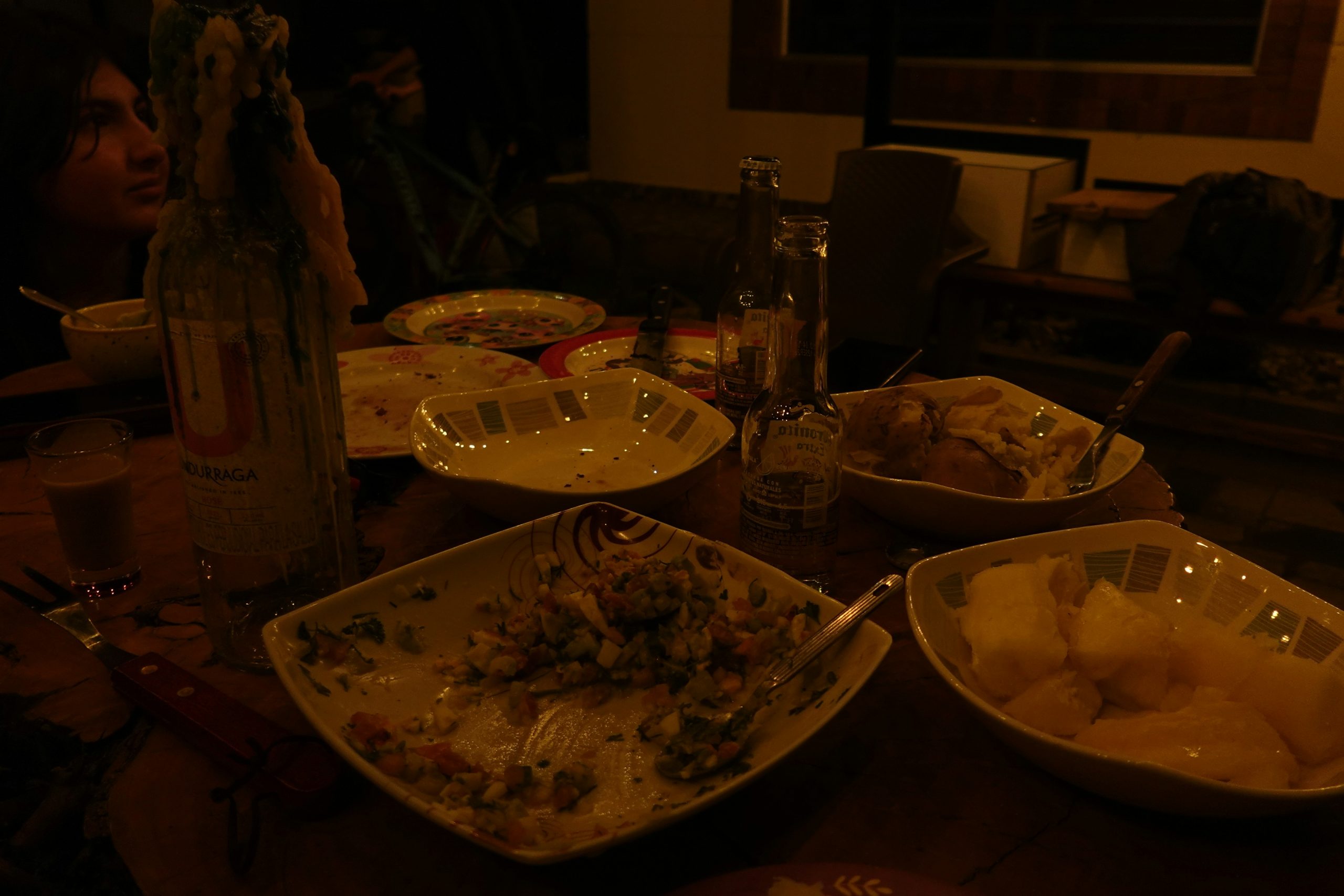
You’ve likely heard of French cuisine, a world-renowned tapestry of flavors and techniques. But beyond the Michelin stars and elaborate dishes, there exists a fundamental aspect of French culture, a practice deeply woven into the fabric of everyday life: le repas partagé. This isn’t just about eating; it’s about connection, community, and the simple, profound joy of sharing a meal with others. It’s an invitation to slow down, to savor not only the food but the company, and to experience a slice of authentic French living that often escapes the tourist gaze.
When you visit France, you’ll encounter le repas partagé in various forms, from the boisterous family Sunday lunch to the more intimate gathering of friends for a casual weeknight dinner. It is a cornerstone of human connection, a ritual that transcends mere sustenance and becomes an expression of love, friendship, and belonging. It’s an experience that will enrich your understanding of France and its people, offering a glimpse into their values and their cherished way of life.
The heart of le repas partagé lies in its inclusivity and its emphasis on togetherness. It’s a departure from the individualistic approach to eating that you might be accustomed to. Here, the meal is a collective endeavor, a shared experience that fosters bonds and strengthens relationships. The focus shifts from the individual diner to the group, creating an atmosphere of warmth and camaraderie. This is not a meal consumed in solitary silence, but a symphony of conversation, laughter, and the clinking of glasses.
La Convivialité Avant Tout
At its core, le repas partagé is about convivialité – a French word that encapsulates a unique blend of conviviality, sociability, and good cheer. It signifies the joy of being together, of sharing pleasant company and engaging in lively conversation. This atmosphere is cultivated from the moment guests arrive, with welcoming gestures and an open invitation to feel at ease. The host or hosts aim to create an environment where everyone feels comfortable, appreciated, and included.
L’Art de l’Accueil
The French have an art for welcoming guests, and it is central to the success of le repas partagé. This extends beyond simply opening your door; it involves creating a sense of anticipation and genuine warmth. You might find yourself greeted with a cheerful « Bonjour! » and a perhaps a gentle kiss on each cheek, a common greeting in France. The living space is often prepared to be inviting, perhaps with soft music playing or candles lit. The host’s demeanor is crucial – they are not just serving food, they are orchestrating an experience.
L’Importance de la Conversation
The flowing conversation is a vital ingredient of le repas partagé. It’s where stories are exchanged, opinions are shared, and opinions are debated, all in good spirit. This is not just small talk; it often delves into deeper subjects, reflecting the intellectual curiosity and the value placed on discourse within French culture. You’ll find yourself drawn into discussions about current events, art, philosophy, or even the latest family gossip. The key is active listening and thoughtful participation.
Au-Delà de la Nourriture
While the food is undoubtedly important, it is not the sole focus of le repas partagé. The meal serves as a vehicle for something more profound: the strengthening of human connections. It’s a time to reflect on shared experiences, to offer support, and to simply enjoy each other’s presence. The act of preparing and sharing food becomes a tangible expression of affection and care.
Le Partage des Préparatifs
Often, le repas partagé involves a collaborative effort in the kitchen. Friends and family might arrive early to help with the cooking, setting the table, or preparing drinks. This shared endeavor not only lightens the load but also builds anticipation and a sense of collective ownership of the meal. You might find yourself chopping vegetables alongside your host, or helping to assemble a dessert. This is teamwork in its most delightful form.
L’Échange des Savoirs et des Expériences
The dinner table is a fertile ground for the exchange of knowledge and experiences. Older generations might share tales from their youth, imparting wisdom and historical context. Younger members might bring fresh perspectives and current trends. It’s a dynamic exchange that enriches everyone involved, fostering a deeper understanding of family history and societal evolution.
Les Différents Visages du Repas Partagé
Le repas partagé is not a monolithic entity; it manifests in myriad ways, each with its own unique charm and character. Whether it’s a grand occasion or a spontaneous gathering, the underlying principle of sharing remains constant. Understanding these variations allows you to appreciate the adaptability and pervasiveness of this cherished tradition.
Le Repas Familial Dominical
The Sunday lunch, le repas familial dominical, is perhaps the most iconic form of le repas partagé. This is a time when families, often spanning multiple generations, gather to share a leisurely meal. It’s a ritual that punctually marks the end of the weekend and provides a vital anchor for familial bonds. The preparation can be extensive, with elaborate dishes prepared with care and affection.
La Table Intergénérationnelle
The beauty of the Sunday lunch lies in its intergenerational nature. Grandparents, parents, children, and grandchildren all come together, bridging age gaps and creating a rich tapestry of shared memories and ongoing connections. This is where family stories are passed down, where traditions are upheld, and where the younger generation learns about their heritage from those who came before.
Les Plats Traditionnels
Certain dishes are intrinsically linked to the Sunday lunch. A roasted chicken or duck, a hearty beef stew (boeuf bourguignon), or a rich gratin are common staples. These are often dishes that require time and patience to prepare, reflecting the deliberate and unhurried nature of the occasion. The desserts, too, are often classic French creations like tarte tatin or mousse au chocolat.
Le Dîner Entre Amis
Beyond the family sphere, le repas partagé extends to friendships, taking the form of le dîner entre amis. This can be a more casual affair, perhaps a potluck where each guest brings a dish to share, or a planned dinner hosted by one or more friends. The focus here is on relaxation, laughter, and the joy of reconnecting with people you care about.
L’Esprit du Potluck
The concept of a potluck, or chaque apporté quelque chose (everyone brought something), is a popular and convivial way to organize le repas partagé among friends. It distributes the culinary burden and often results in a diverse and exciting array of dishes, reflecting the individual tastes and skills of each guest. This spontaneous variety adds an element of surprise and discovery to the meal.
La Liberté et la Détente
Le dîner entre amis offers a sense of freedom and relaxation. You can often dress more casually, and the conversation can be more informal and playful. The emphasis is on enjoying each other’s company without the pressure of formal etiquette. It’s a space for genuine connection and shared enjoyment.
Les Événements Spéciaux et les Vancances
Le repas partagé also takes center stage during special occasions and holidays. These are moments when families and communities come together to celebrate, and food plays a pivotal role in marking these significant events. The scale of these meals can be more elaborate, reflecting the importance of the occasion.
La Fête Nationale et Les Traditions Culinaire
Bastille Day, the French National Day on July 14th, is a prime example. Families gather for barbecues, picnics, and elaborate meals, often featuring classic French dishes and a celebratory atmosphere. This is a time for national pride and for sharing in a collective sense of identity.
Les Anniversaires et Les Célébrations
Birthdays, anniversaries, and other milestones are invariably marked by le repas partagé. These celebrations often involve personalized menus, elaborate cakes, and a joyous atmosphere filled with toasts and good wishes. The meal becomes a tangible expression of joy and a tribute to the person or event being celebrated.
Les Composantes Clés d’un Repas Réussi

A truly successful repas partagé goes beyond simply having good food. It involves a thoughtful consideration of various elements that contribute to the overall experience, from the ambiance to the wine selection.
La Préparation et le Service
The way food is prepared and presented has a significant impact on the dining experience. French cuisine is renowned for its attention to detail and its aesthetic appeal. Even the simplest meal can be elevated through careful preparation and thoughtful plating.
L’Importance des Produits Frais et de Saison
Fresh, seasonal ingredients are the cornerstone of French cooking. The emphasis is on quality and flavor, with dishes often designed to highlight the natural taste of the produce. You’ll often find market-fresh vegetables and fruits taking pride of place on the table.
La Présentation Soignée des Plats
The visual aspect of food is crucial in French culture. Even a casual meal is often presented with care. Dishes are arranged attractively on plates, and the table itself is often set with attention to detail, including linens, glassware, and cutlery. This visual appeal enhances the anticipation and enjoyment of the meal.
La Sélection des Vins et des Boissons
Wine is an integral part of the French dining experience, and its selection is a crucial element of le repas partagé. The right wine can enhance the flavors of the food and contribute to the overall convivial atmosphere.
L’Accord Mets et Vins
The art of pairing food and wine, l’accord mets et vins, is deeply ingrained in French culinary tradition. Hosts often carefully select wines that complement the flavors of the dishes being served, recognizing how different wines can enhance or contrast with specific ingredients.
Les Boissons sans Alcool et les Alternatives
While wine is often central, it’s important to remember that not everyone drinks alcohol. A good host will ensure there are appealing non-alcoholic options available, such as sparkling water with lemon, fruit juices, or homemade herbal teas. This ensures everyone at the table feels catered to.
L’Impact Culturel et Social

Le repas partagé is more than just a meal; it’s a powerful social and cultural force that shapes attitudes, strengthens communities, and transmits values across generations. Its influence extends far beyond the dining table.
La Transmission des Valeurs
This tradition serves as a vital conduit for the transmission of cultural values. Concepts like respect, generosity, patience, and the importance of family and friendship are implicitly learned and reinforced through the act of sharing meals.
Le Respect des Aînés
During le repas partagé, you’ll often observe a deep respect for elders. They are typically seated at the head of the table and their opinions are often solicited and valued. This embodies the French ethos of honoring experience and wisdom.
La Générosité et le Partage
The very act of sharing food is an act of generosity. It signifies a willingness to offer what one has for the comfort and enjoyment of others. This fosters a sense of community and mutual care.
Le Maintien des Liens Sociaux
In an increasingly fragmented world, le repas partagé provides a crucial space for maintaining and strengthening social bonds. It offers a consistent opportunity for people to connect, communicate, and deepen their relationships.
La Lutte contre la Solitude
For individuals who may be isolated, the invitation to a repas partagé can be incredibly meaningful. It offers companionship, a sense of belonging, and an antidote to loneliness. This is particularly relevant for older individuals.
Le Renforcement de la Communauté
When neighbors and friends regularly share meals, it builds a stronger sense of community. These shared experiences create a network of support and understanding, fostering a more cohesive and resilient social fabric.
L’Expérience Personnelle : Un Voyage Culinaire et Humain
| Date | Lieu | Nombre de participants | Plats principaux |
|---|---|---|---|
| 10/10/2021 | Maison de Marie | 15 | Lasagnes, salade |
| 15/11/2021 | Salle communale | 20 | Poulet rôti, ratatouille |
| 20/12/2021 | Restaurant Le Bonheur | 25 | Couscous, tajine |
Engaging in le repas partagé is not merely observing a tradition; it is an immersive experience that will leave an indelible mark on your culinary and personal journey. It’s an opportunity to step outside your comfort zone and embrace a different way of living, eating, and connecting.
S’Imprégner de la Culture Locale
By participating in le repas partagé, you gain a more intimate understanding of French culture than any guidebook could provide. You witness firsthand the nuances of their social interactions, their appreciation for quality, and their deep-seated value for human connection.
Les Petites Notes Culturelles
Pay attention to the subtle details: the way bread is handled, the pace of the meal, the specific phrases used in conversation. These seemingly small observations offer profound insights into the French way of life.
Les Souvenirs Indélébiles
The meals you share will become cherished memories. The flavors of the food, the warmth of the company, the stories exchanged – these are the elements that transform a simple meal into an unforgettable experience.
Cultiver Votre Propre Repas Partagé
The beauty of le repas partagé is that it is a tradition you can embrace and adapt into your own life. The principles of sharing, conviviality, and connection can be applied in any setting, regardless of whether you are in France or elsewhere.
L’Invitation à Expérimenter
Don’t be afraid to host your own repas partagé. Invite friends, adapt recipes, and create your own rituals. The goal is not perfection, but genuine connection and shared enjoyment.
La Joie de Donner et de Recevoir
The act of preparing and sharing food is inherently rewarding. By opening your home and your table to others, you not only enrich their lives but also experience the deep satisfaction that comes from generosity and hospitality. Le repas partagé is an invitation to nourish both the body and the soul, a timeless tradition that continues to enrich lives, one shared plate at a time.